
uPVC Windows in Mohali: A Room-by-Room Buying Checklis
Before ordering uPVC windows in Mohali, check four things: what each room needs, how the window will open, the proposed glass and sealing details, and the full installation scope.
Start with the room rather than a catalogue photograph. A bedroom beside a road needs a different discussion from a kitchen window above a counter. Choosing the same configuration everywhere may overlook details that matter in daily use.
Use this checklist to prepare for a survey and compare proposals clearly.
Room needs: Give every window a purpose
Bedrooms: Identify what affects your comfort
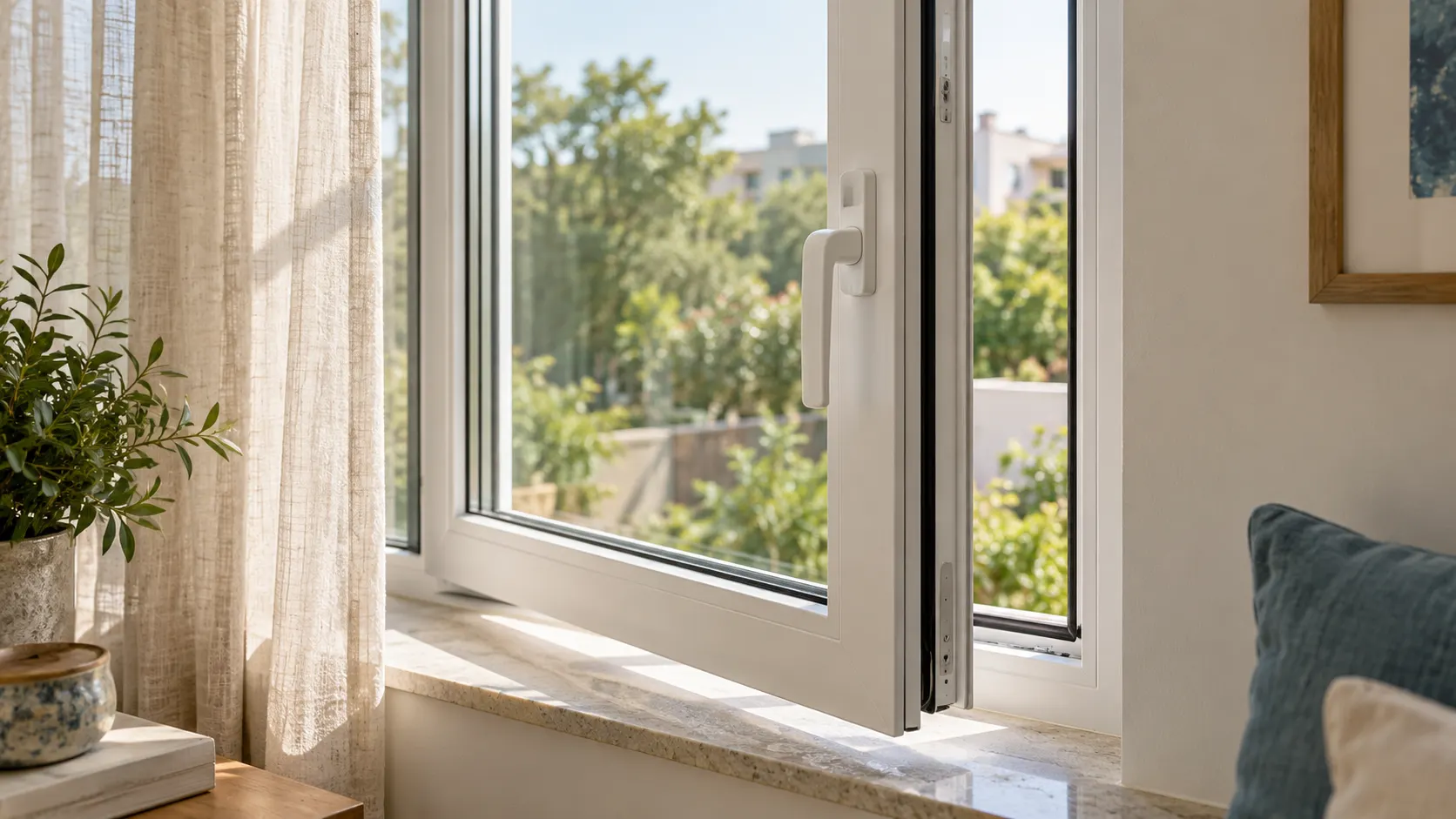
Is your main concern outside noise, afternoon sun, privacy or a window that is difficult to operate?
Describe the problem before asking for a particular glass or opening style. “Traffic disturbs my sleep” gives the supplier a clearer starting point than “I want a premium window.”
Check the position of your bed, wardrobe and curtains. You should be able to reach the handle and operate the window without moving furniture.
For noise concerns, ask what evidence supports the proposed complete window assembly. Avoid treating “soundproof” as a promise of complete silence.
Living rooms: Balance the view with ventilation
Decide which parts of the opening should provide a view and which should open.
A fixed glazed section can form part of the layout, but it does not open for ventilation. Ask the supplier to show the arrangement on a drawing so you understand what you are approving.
If the room receives strong afternoon sun, discuss glass selection and existing shading together. Changing the frame alone may not address every source of discomfort.
Kitchens: Check the window from your working position
Stand where you would normally use the counter or sink.
Can you reach the handle comfortably? Could an opening shutter interfere with a tap, cabinet or walkway? Will a mesh shutter affect access?
Check these practical clearances before finalising the arrangement.
Bathrooms: Discuss privacy and cleaning access
Review privacy glass using an actual sample. Ask how its appearance changes with lighting and whether it meets your privacy needs.
Also confirm how the window will open and how you will clean it safely.
Not sure where to start? Send Inspire Windoors your room photos, approximate dimensions and Mohali location. Include your main concern for each room so the consultation starts with how you use the space.
Opening styles: Choose around the available space
Sliding windows: Check the usable opening
Sliding panels move sideways, avoiding the swing of a hinged shutter into the surrounding space.
However, the full frame width is not necessarily available as an opening. Ask to see how the proposed panels overlap and how much clear opening remains.
Try a representative sample. Check the operating effort, handle position, track access and cleaning requirements.
Casement windows: Allow room for the shutter
Casement windows use hinged opening sections. Confirm whether the proposed shutters open inward or outward and what clearance they need.
Consider curtains, furniture, external obstructions and any safety grille before choosing.
A sample demonstration is useful, but the final decision should reflect your opening dimensions and surroundings.
Fixed sections: Use them deliberately
Fixed glazing may suit a section where you want a view without an opening shutter. Make sure the room’s ventilation needs are addressed elsewhere.
Do not approve a drawing until fixed and opening sections are clearly identified.
| Room situation | What to explore | What to confirm |
|---|---|---|
| Furniture close to the window | A sliding arrangement | Clear opening and handle access |
| Space available for a hinged shutter | A casement arrangement | Swing direction and clearance |
| A view-focused section | Fixed glazing alongside suitable opening sections | Ventilation and cleaning access |
| A window above a kitchen counter | An arrangement you can operate comfortably | Reach, tap clearance and mesh access |
| A bathroom opening | A suitable opening style and privacy-glass option | Privacy, ventilation and safe cleaning |
There is no universal winner between sliding and casement. Compare the actual systems against the room.
Still deciding on the frame material? Read our aluminium vs uPVC comparison for Chandigarh homes before narrowing your shortlist.
Glass and seals: Ask what is included
Get the glass specification in writing
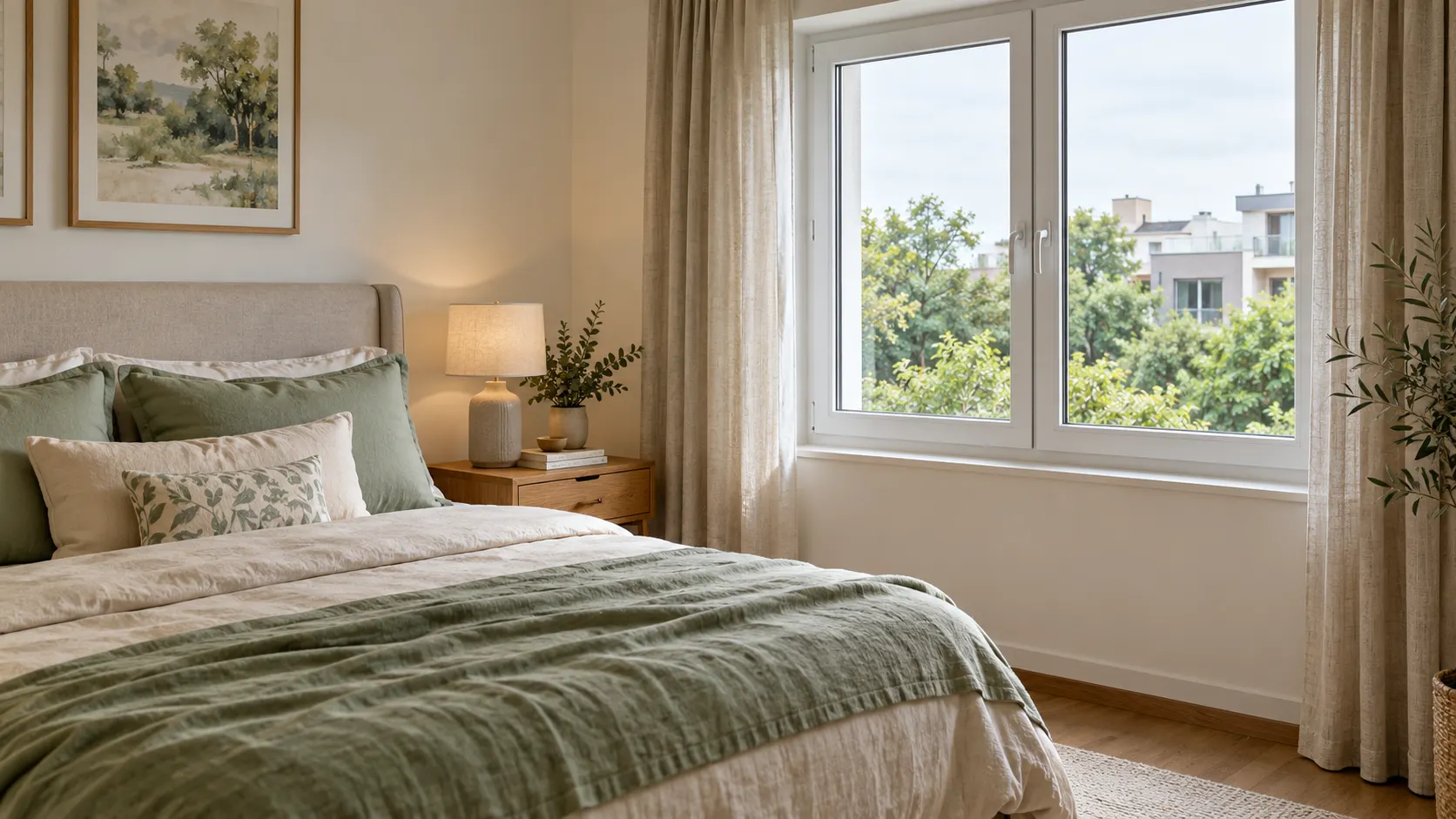
Terms such as “premium glass” or “double glass” are not enough to compare quotations.
Ask the supplier to identify:
-
Glass type and pane thickness.
-
Single or insulated glazing construction.
-
The gap between panes, where applicable.
-
Any proposed coating or privacy treatment.
-
Why that specification suits your room.
If two quotations use different glass, ask what that difference means for your stated needs. Do not compare the totals as though the specifications are identical.
Inspect how the window closes
Ask to see the sealing arrangement on a representative sample. Operate the handle and check how the opening section meets the frame.
Discuss routine care and whether seals and hardware can be serviced or replaced. These are useful ownership questions, particularly for windows you will operate every day.
Include installation in the discussion
Clarify how the frame-to-wall junction will be prepared, sealed and finished. Ask who handles surrounding plaster or paint repairs.
Photographs of an attractive frame do not explain the installation scope. Record these responsibilities in the quotation.
Survey checklist: Settle the details before ordering
Approximate dimensions help begin the conversation. Ask the supplier to confirm final measurements and site readiness before fabrication.
During the survey, work through this checklist:
-
Room priorities: Record the concern each window should address.
-
Opening condition: Identify pending plaster, sill work or repairs that could affect measurement or fitting.
-
Final layout: Mark fixed and opening sections, panel divisions and opening directions.
-
Everyday access: Check furniture, curtains, taps, grilles and mesh requirements.
-
Specification: Record the profile system, glass, seals, hardware, colour and finish.
-
Installation scope: Confirm removal, disposal, transport, fitting, sealing and making good.
-
Commercial details: Check taxes, exclusions, payment stages and any proposed substitutions.
-
Dates: Agree on measurement, fabrication and installation milestones in writing.
For example, if your kitchen counter is still being changed, tell the surveyor before approving the window layout. A measurement alone does not explain how the finished room will work.
Frequently Asked Questions
Choose around clearance, access and the opening you need. Sliding panels move sideways; casement shutters need space to swing. Try the proposed system and review its layout against your furniture, curtains, grilles and cleaning access.
Approve the final dimensions, opening drawing, profile system, glass specification, hardware and finish. Confirm the installation scope, exclusions, payment terms and dates. Keep a copy of the agreed specification so later changes are clear.
Use approximate dimensions for an initial discussion. Before fabrication, have the supplier confirm final measurements and any site conditions that affect the fit.
Send Inspire Windoors your room photos, approximate dimensions and Mohali location. Mention what you want to improve so the next discussion focuses on a suitable configuration.


0 Comments
No comments yet. Be the first to share your thoughts!