
Shower Enclosure Price in Ropar: What Affects the Cost
Thinking about adding a stylish shower enclosure to your Ropar bathroom but unsure what it will cost? You are not alone; shower enclosure prices can seem confusing because they depend on several things at once.
The glass, the hardware, the size, and the type of enclosure all play a part, which is why two enclosures can have very different price tags.
In this guide we break down exactly what affects the shower enclosure price in Ropar, explain each cost factor in plain terms, and share realistic price ranges so you can budget your bathroom upgrade with confidence.
Key factors affecting price
A shower enclosure’s price is really the sum of several choices. The type of enclosure, the size of your bathroom opening, the glass thickness and coating, the hardware and finish, and the installation all combine to set the final figure.
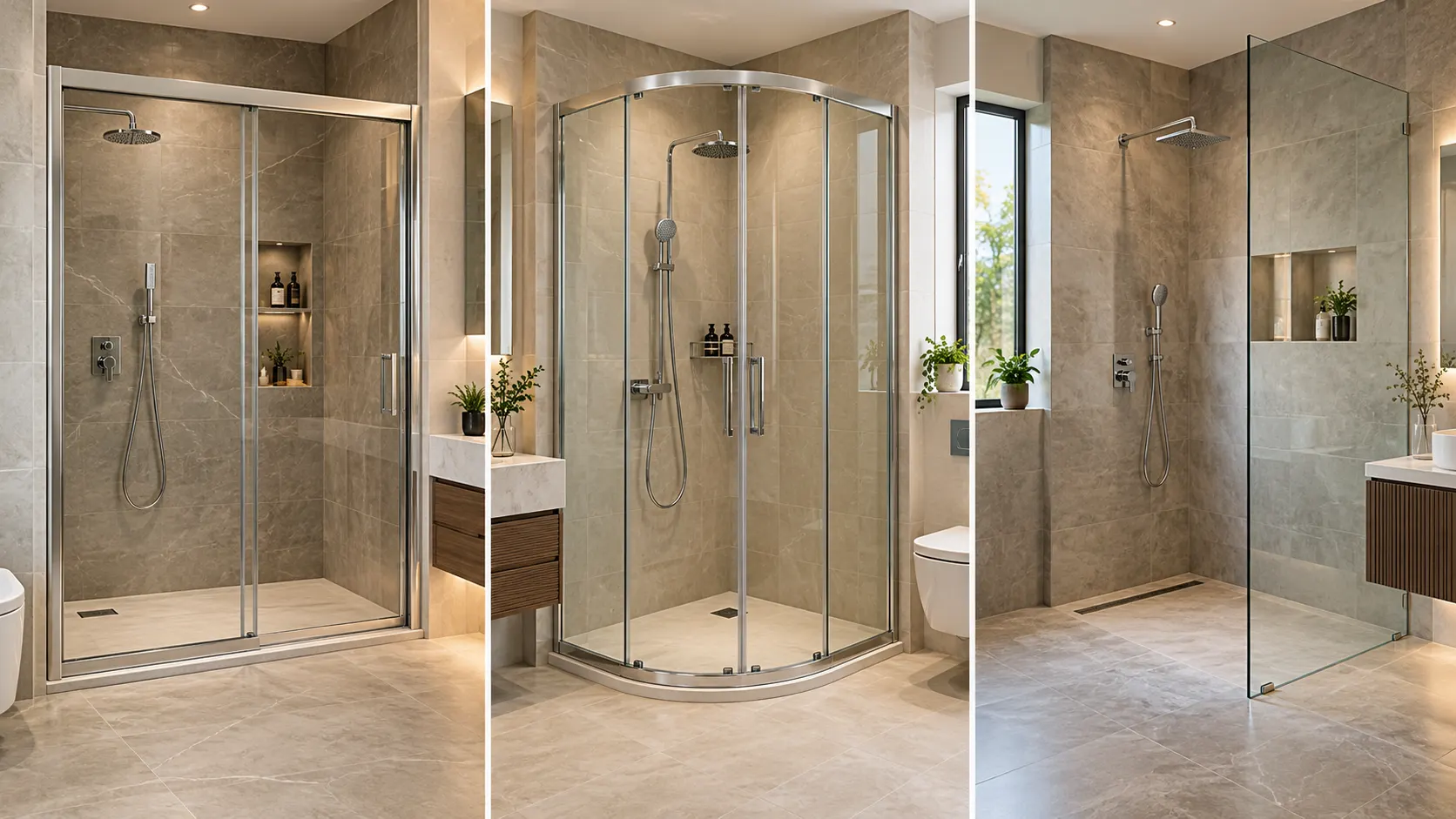
Understanding this helps explain why quotes vary and, more usefully, shows you where you can adjust to fit your budget.
If you know which factors matter most to you, whether that is a frameless look, easy-clean glass, or a compact footprint, you can prioritise your spend and get the best enclosure for your Ropar bathroom.
Glass thickness and coatings
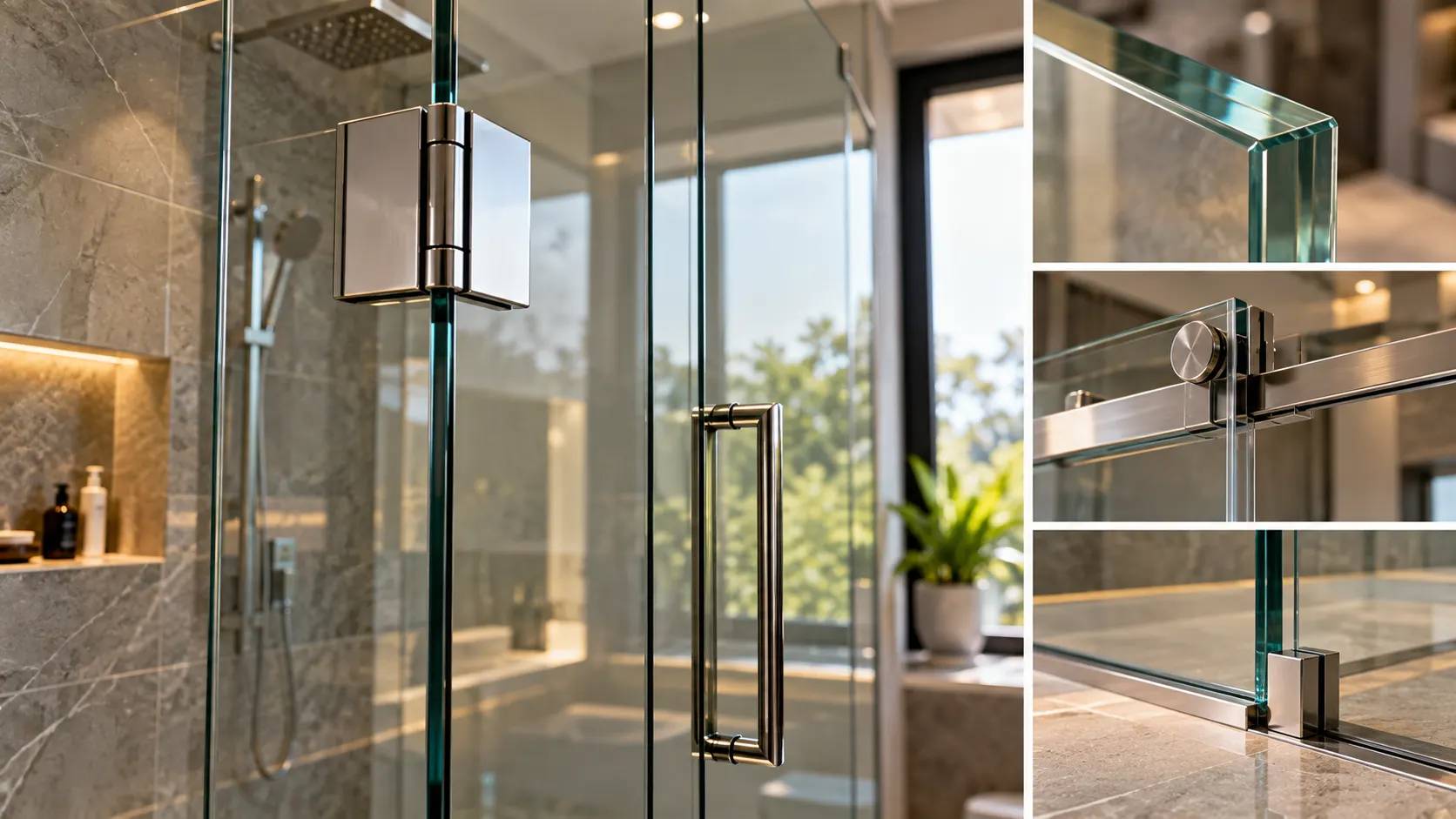
Glass is one of the biggest price drivers. Thicker toughened glass, such as 10mm, feels more solid and premium and costs more than thinner 8mm glass, which is still a strong, safe option for most homes.
On top of thickness, an easy-clean nano-coating adds to the price but is genuinely worthwhile in Ropar’s hard-water conditions, since it keeps limescale and water spots at bay.
Always insist on toughened safety glass regardless of thickness, as this is essential for a bathroom enclosure, and treat the coating as a smart, low-cost upgrade.
Enclosure type and size
The style and size of your enclosure have a direct effect on cost. Framed sliding enclosures are usually the most affordable and space-saving, corner and quadrant units make efficient use of a corner at a moderate price, and frameless walk-in or hinged designs sit at the higher end because they use more glass and precision fittings.
Size matters too: a larger opening simply needs more glass and hardware, which raises the price. Choosing a type that suits your bathroom’s shape and size is the key to balancing looks, function, and budget.
Hardware and finish choices
The handles, hinges, rollers, and profiles you choose influence both price and durability. Quality stainless steel or brass hardware costs more but resists rust in a humid bathroom and keeps doors running smoothly for years, which is excellent long-term value.
Finishes such as chrome, matte black, or brushed nickel can also affect the price and let you match the enclosure to your bathroom style. Spending a little more on good hardware is usually wise, since cheap fittings are the parts most likely to corrode or fail and spoil an otherwise beautiful enclosure.
Installation cost in Ropar
Installation is an important part of the total price and should always be done properly. The cost depends on the complexity of the fit, whether walls need adjusting, the type of enclosure, and any waterproofing or tiling work involved.
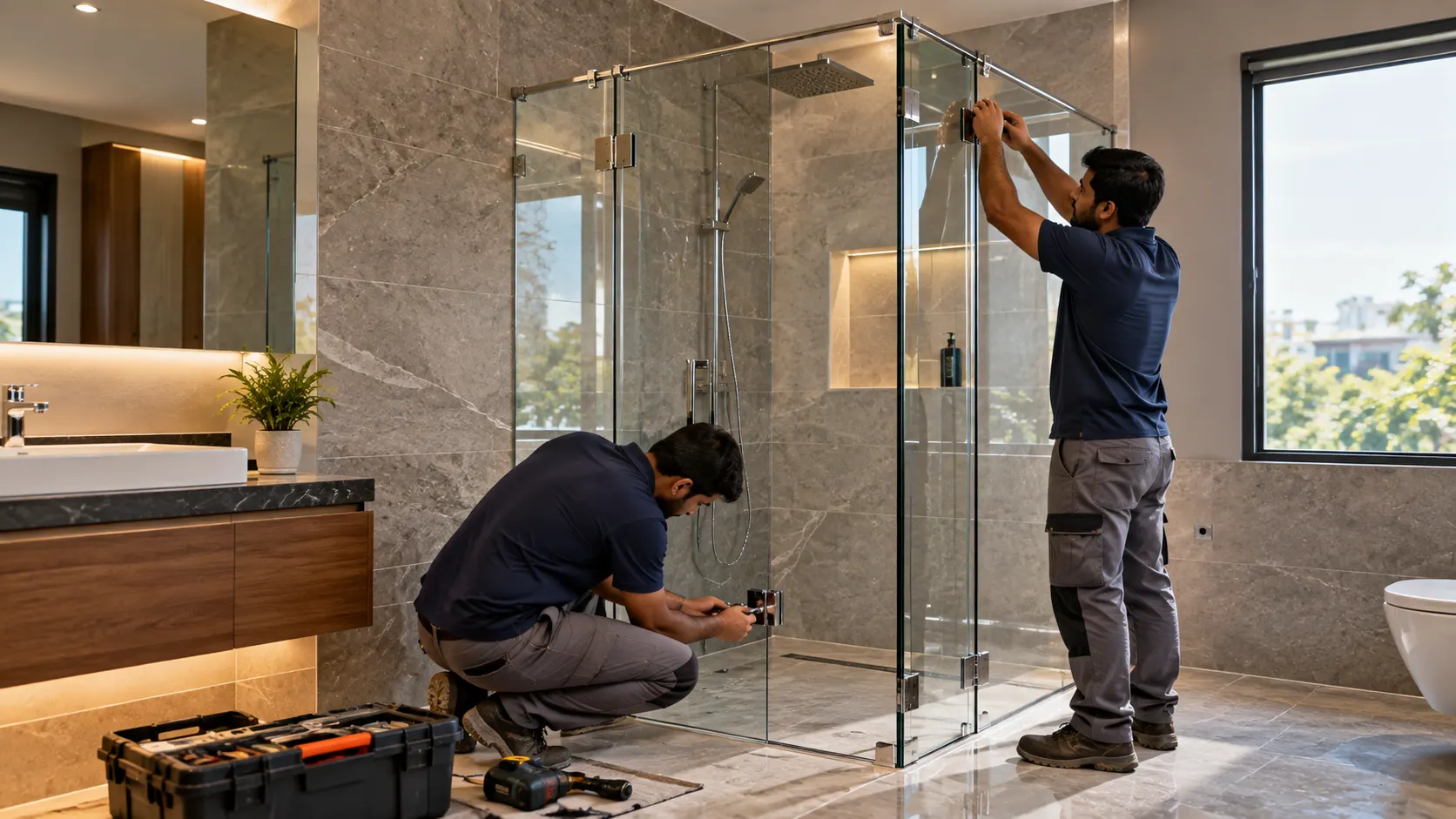
Professional installation ensures the enclosure is level, the seals sit correctly, and there are no leaks, which protects both your bathroom and your investment.
When you receive quotes in Ropar, check whether installation is included in the price or charged separately, so you can compare offers fairly and avoid surprises.
Sample price ranges and budgeting
While the exact figure depends on your choices, thinking in ranges helps with budgeting.
A basic framed sliding enclosure with 8mm toughened glass sits at the affordable end, a mid-range corner or frameless unit with 8mm to 10mm glass and an easy-clean coating sits in the middle, and a premium frameless walk-in with thick glass and designer hardware sits at the top.
These are indicative ranges to guide your planning; the smartest budgeting approach is to decide your priorities first, then request a tailored quote to confirm the real cost for your Ropar bathroom.
Frequently Asked Questions
The main factors are the enclosure type, the size of the opening, the glass thickness and coating, the hardware and finish, and the installation. Each of these can move the final price up or down.
Both are strong toughened options. 8mm offers great value and works well for most homes, while 10mm feels more solid and premium, especially in frameless designs, at a higher cost.
Yes, frameless enclosures generally cost more because they use thicker glass and precision fittings, while framed sliding enclosures are more affordable and space-saving.
In Ropar’s hard-water conditions, an easy-clean nano-coating is usually worth the small extra cost because it keeps the glass clear of limescale and water spots with much less effort.


0 Comments
No comments yet. Be the first to share your thoughts!