
Why uPVC Windows Are Ideal for Shimla’s Cold and Rainy Climate
Shimla’s beauty comes with a demanding climate: long cold winters, heavy rain, snow, and constant moisture.
Windows here have to do more than look good, they have to keep the cold out, block driving rain, and survive years of damp without rusting or rotting.
This is exactly where uPVC windows shine. Here is why uPVC is ideal for Shimla’s cold and rainy hill climate.
Superior insulation keeps homes warm
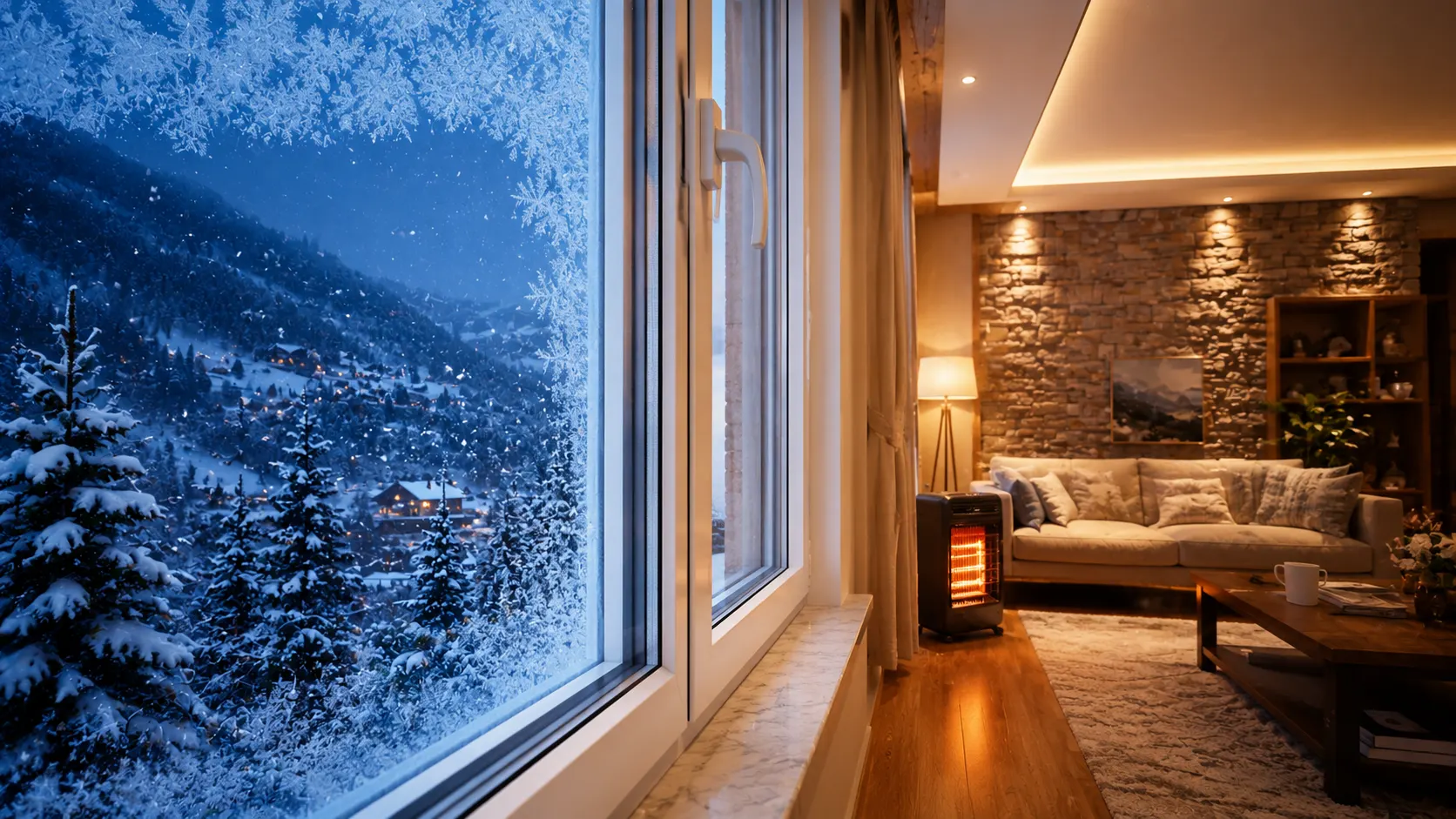
Heating a home in Shimla is a real cost, and heat escapes fastest through poorly insulated windows. uPVC frames do not conduct cold the way metal does, and combined with double glazing they trap warmth inside.
This keeps rooms cosy, reduces heating expenses, and eliminates the cold draughts that plague homes with old single-glazed windows.
Excellent weather sealing against rain and snow
Shimla’s monsoon and winter bring relentless rain and snow. uPVC windows seal tightly with multi-point locking and quality gaskets, keeping water and cold air firmly outside.
Unlike loose-fitting old frames, they prevent leaks, damp patches, and the mould that thrives in wet hill conditions.
Zero rusting or rotting
This is where uPVC truly beats the alternatives. Wooden frames swell, rot, and warp in Shimla’s constant damp, needing frequent repainting and repair. Metal fittings can corrode.
uPVC does none of this, it is completely unaffected by moisture, so it stays solid and functional for decades with almost no upkeep.
Reduced condensation
Cold hill climates cause condensation on window frames, which over time damages walls and encourages mould.
Because uPVC frames stay closer to room temperature, they dramatically reduce condensation compared to metal frames, keeping your interiors drier and healthier.
Low maintenance in a tough climate
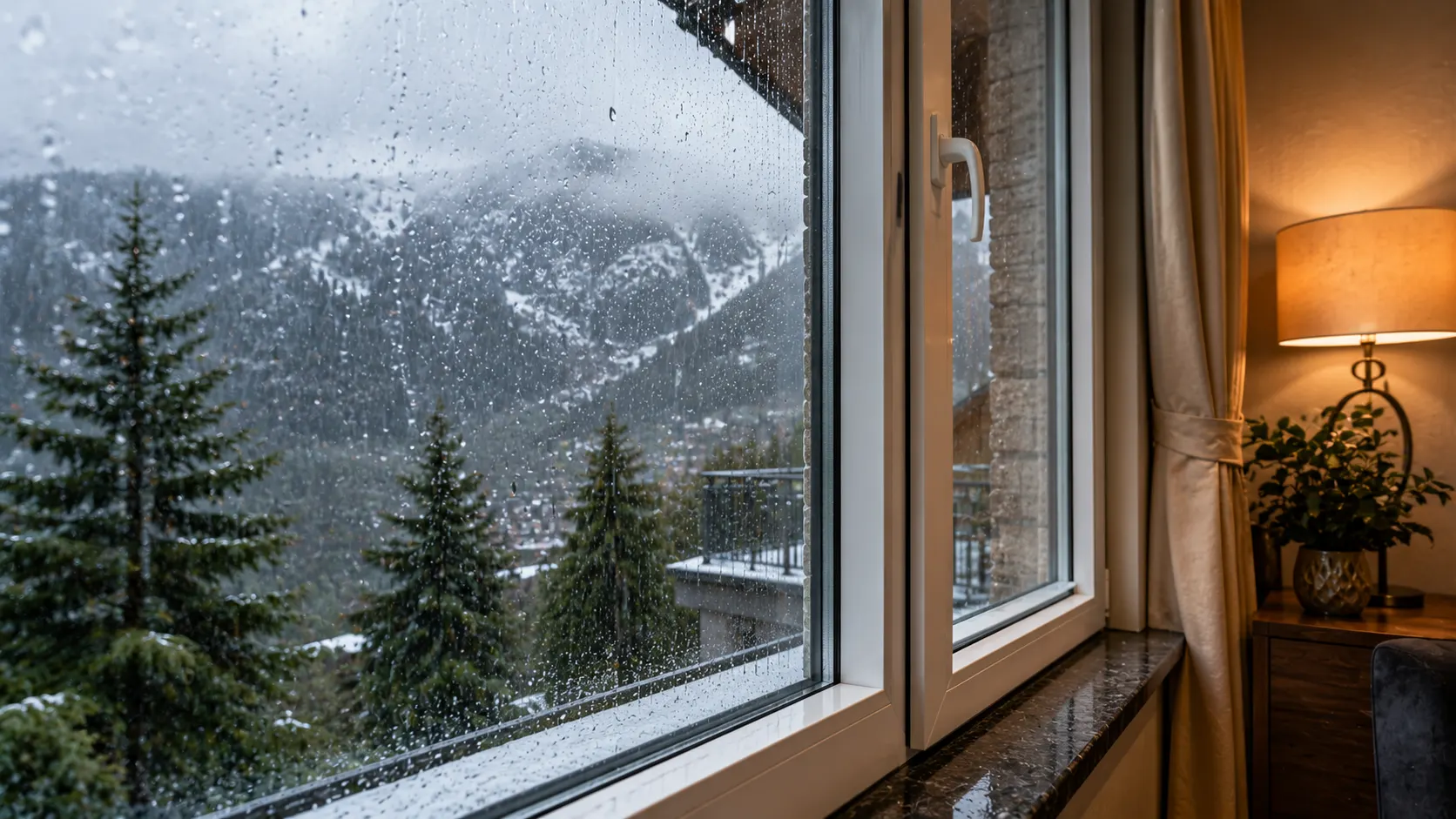
In a place where maintenance is hard during long winters, uPVC’s easy care is a real blessing.
A simple wipe-down is all it needs, no sanding, sealing, or repainting. It holds its colour and performance year after year regardless of how harsh the weather gets.
Lower heating bills through the long winter
Heating a home through a Shimla winter is expensive, and much of that warmth escapes straight through poorly insulated windows. This is one of the biggest reasons uPVC windows are ideal for Shimla’s hill climate: the insulating frames and double glazing hold heat inside, so your heaters run less and cost less to keep rooms cosy.
Over a long, cold season, that reduced heating load adds up to real savings month after month. Families who switch from old single-glazed frames often notice both a warmer home and a smaller energy bill, which makes the upgrade pay for itself over the years.
Comfort and quiet in every season
Beyond warmth, uPVC windows make Shimla homes simply more comfortable to live in. Tight seals stop the icy drafts that make rooms feel colder than the thermostat suggests, so you get an even, pleasant temperature throughout the house.
The same sealing and double glazing also cut outside noise, which is welcome near busy roads and tourist areas. In summer, when hill days can still turn warm and bright, the insulation works in reverse to keep interiors cool. This all-season comfort is a key reason uPVC suits Shimla’s changeable weather so well.
Protection against damp, mould and heavy rain
Shimla’s long wet spells are hard on buildings, and moisture is the enemy of both comfort and health. uPVC windows resist this beautifully.
Their multi-point sealing keeps driving rain and humidity out, while the warm frames sharply reduce the condensation that leads to damp patches and mould around older metal or timber windows.
Drier walls and window reveals mean a healthier indoor environment and less long-term damage to your interiors. In a climate defined by rain and snow, choosing frames that shrug off moisture is one of the smartest decisions a Shimla homeowner can make.
Choosing the right uPVC windows for the hills
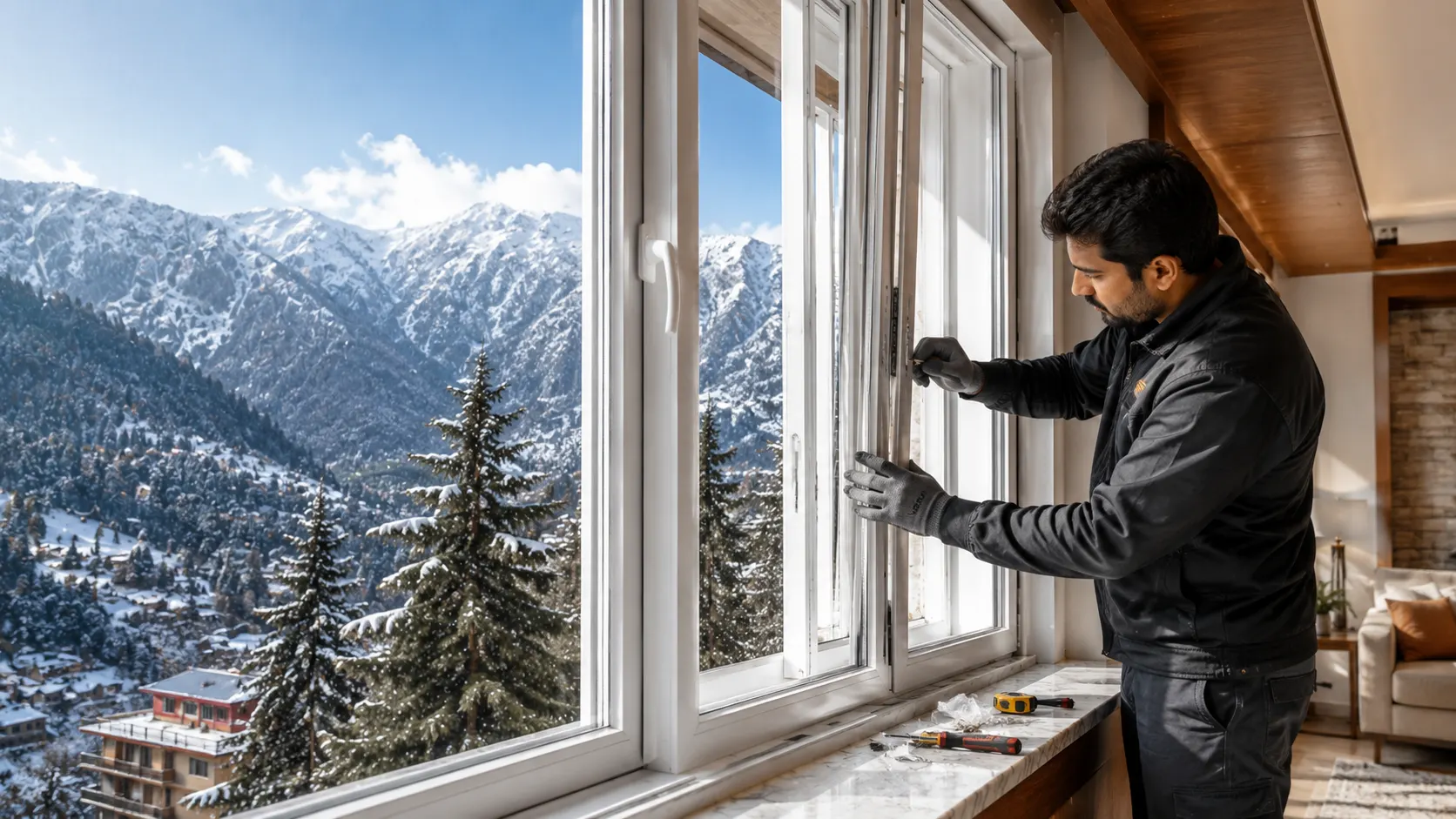
To get the full benefit in Shimla’s climate, a few choices matter. Insist on double or even triple glazing for the coldest, most exposed rooms, choose a quality UV-stabilised profile that will not fade, and make sure the seals and hardware are rated for heavy weather.
Just as important is professional installation, because gaps around a frame undo all the insulation you paid for. A good local supplier will assess each room’s exposure to wind, rain, and sun, then recommend the right glazing and frame so your home stays warm, dry, and comfortable for decades.
Frequently Asked Questions
Yes, their insulation and sealing make them excellent for cold, wet hill weather.
They greatly reduce it because the frame stays warmer than metal alternatives.
No, uPVC is immune to rot, rust, and moisture damage, making it ideal for the hills.
Double glazing is enough for most Shimla homes and delivers a big improvement over single panes. For the coldest, most exposed rooms high in the hills, triple glazing adds extra insulation and is worth considering for maximum warmth.
Yes. By trapping heat inside and stopping cold drafts, uPVC windows for Shimla’s hill climate reduce how hard and how long your heaters run, which shows up as lower energy bills across the long winter season.
Quality uPVC frames with reinforced profiles and good hardware handle Shimla’s snow loads and strong hill winds well.
Proper installation and the right glass thickness ensure they stay secure and weather-tight for years.
Wood looks traditional but swells, rots, and needs constant repainting in Shimla’s damp. uPVC gives similar warmth with none of the upkeep, and woodgrain finishes can mimic the timber look while resisting moisture completely.
Yes. Because the frames stay warmer and seal tightly, they cut the condensation that feeds mould and damp around windows, keeping walls and reveals drier and your indoor air healthier.
With quality profiles and correct installation, uPVC windows comfortably last 20 years or more in the hills, holding their insulation, seal, and finish despite years of cold, rain, and snow.
Absolutely. Modern uPVC units can be fitted into most existing openings with minimal disruption, making them a practical way to bring warmth and weather protection to older hill homes.
uPVC comes in classic white as well as woodgrain and coloured laminates, so you can match a traditional hill-home look or a modern style while keeping all the insulation and moisture resistance the climate demands.
Yes. The same tight seals and double glazing that keep warmth in also block outside noise, which is a welcome benefit for Shimla homes near busy roads, markets, or tourist areas.
Very much so. Lower heating costs, a warmer and drier interior, and almost no maintenance make them attractive to guests and cost-effective for owners, helping a property stand out in the hills.
Yes. Even the best uPVC window loses its benefits if fitted with gaps, so proper measurement, sealing, and anchoring are essential to get the full warmth, weather protection, and lifespan in Shimla’s demanding climate.
Metal frames conduct cold, encourage condensation, and can corrode over time, while uPVC insulates, stays dry, and never rusts. That combination of warmth, moisture resistance, and durability is exactly what a cold, rainy hill climate demands.
Inspire Windoors supplies insulated uPVC windows built for hill climates. Contact us for a free consultation and quote.


0 Comments
No comments yet. Be the first to share your thoughts!